In my recent issue series post, I discussed the topics and issues of fast fashion. Because fast fashion is something many people are unfamiliar with, I have previously outlined the definition of fast fashion as well as the advantages and disadvantages of fast fashion. Since we are all integrated within the fast fashion industry somehow, most likely as consumers, I wanted to share the commonly overlooked results of our decisions when it comes to shopping fast fashion in my last post. Although fast fashion does provide a quick and affordable way for people to expand their style, it has harmed our environment through its disposal of unsold clothes.
Since fast fashion companies are ubiquitous, it can be difficult to find ways to buy clothes in an eco-friendly way. I have also outlined different ways to buy clothes outside of fast fashion in my blog post titled “A New Yet Old Era within Streetwear.” In order to expand the conversation on fast fashion and sustainability, I will share how thrifting and consuming from sustainable and independent brands are better for the environment than shopping fast fashion.
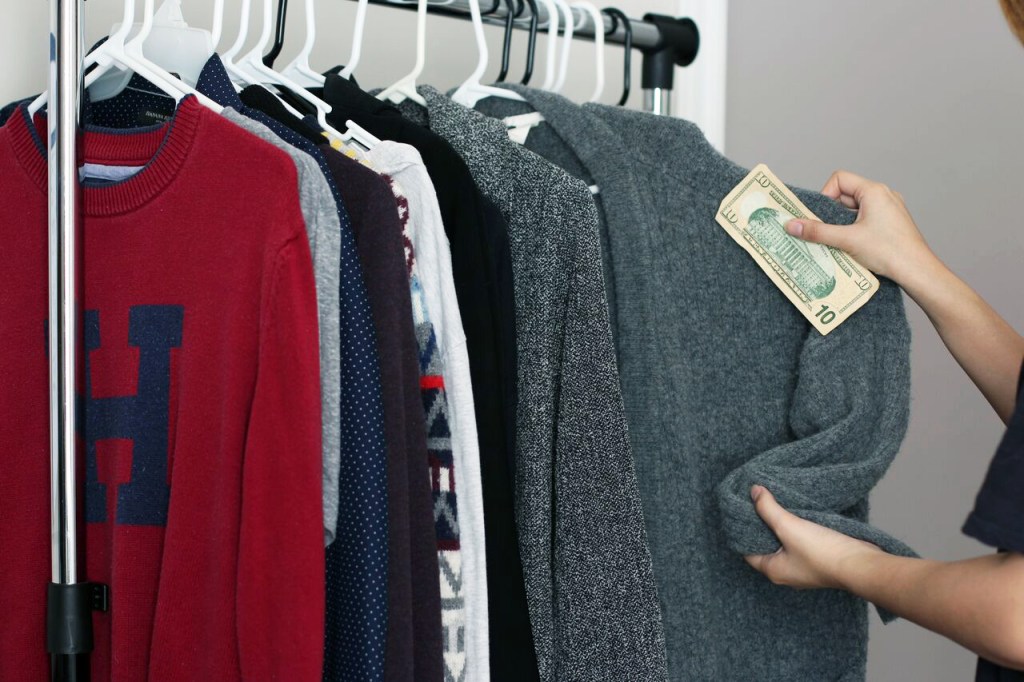
One eco-friendly way to shop is thrifting, which is becoming extremely popular. In an article called “Millennials Thrift Shop More than Any Generation – But They Are Also the Most Wasteful,” blogger Kali Borovic cited that one in three women shopped secondhand as of 2017. She comments, “That’s 44 million women buying secondhand in 2017 as compared to 35 million the previous year. The market is growing fast, and it’s leaving more room in people’s wallets and closets than ever before.” Thrifting has become popular because it allows the customer to buy stylish clothes for a fraction of its retail price. It also has great variety, since thrift shops do not crank out hundreds of pieces with the same graphic on it.
Some people prefer thrifting over shopping at the mall because of the fun they find in digging through racks of clothing to find a hidden gem. Some may perceive it as a waste of time, and others perceive it as a fun mission or adventure. Personally, I love the concept of thrifting. I find the process of digging through racks somewhat fun and exciting, and I enjoy how thrift shops offer pieces that other people are unlikely to find a replica of.
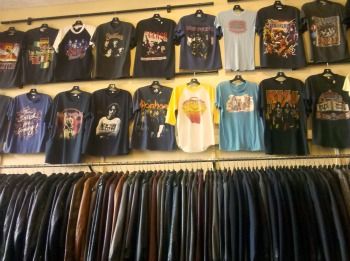
Thrifting is beneficial for our planet because it is a means to recycle clothes. By reselling clothes, the “lives” of these garments are extended. The website ThredUp, which is a large online consignment store, has found that extending the life of just one garment can reduce its carbon footprint by seventy-three percent. These benefits can help offset the negative environmental impacts of the fashion industry, which is the second most polluting industry.
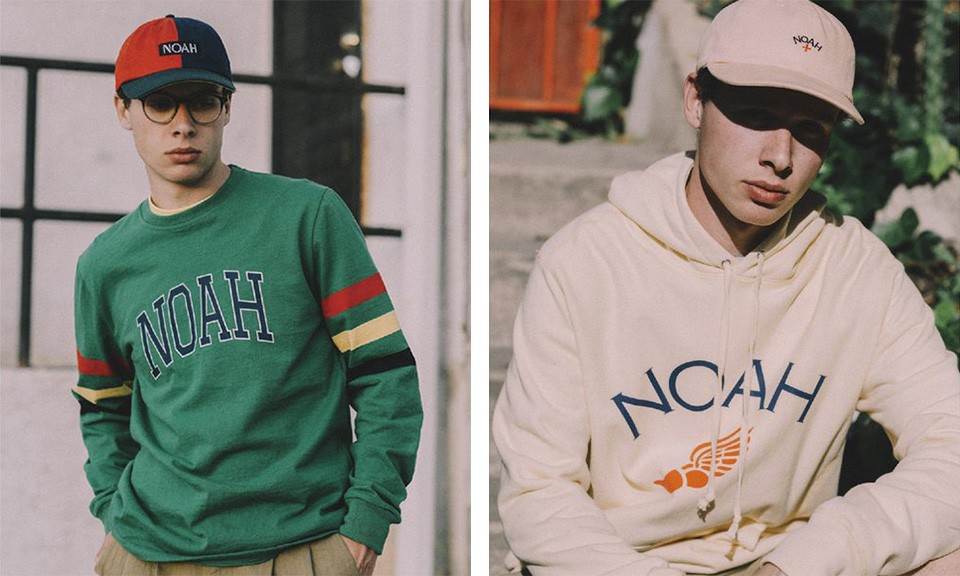
Besides thrifting, one way that you can shop sustainably is to buy and consume from eco-friendly and independent clothing brands. Although these garments will most likely be somewhat more expensive than the clothes from the mall, spending a couple more dollars on a brand that cares for the environment is worthwhile. For example, instead of depending on synthetics, the streetwear brand Noah, which is owned by a former creative director of Supreme, has been adopting sustainable and eco-friendly practices to create its garments. These practices help reduce the amount of fabrics and synthetics being thrown into landfills. Many of their pieces have facts about the damage humans have done to the environment on the back of the care label to spread awareness about the state of our climate.
With the widespread concern for environmental issues present in today’s society, there are changes being made in the mainstream fashion industry. One example is the widely known and recognized fast fashion chain: H&M. The website goodonyou.eco, which rates and analyzes the ethics and quality of clothing brands, states “H&M has pledged to become 100% ‘climate positive’ by 2040 by using renewable energy and increasing energy efficiency in all its operations.” Although H&M has a clothing line called “Conscious,” which is known for having garments that were manufactured with sustainable materials, it “still operates under an unsustainable, fast-fashion model,” according to the same website. Even though H&M is not entirely sustainable and environmentally friendly, I think that having climate positivity and sustainability involved in their company is commendable. Because these fast fashion companies are essentially businesses that aim to generate profit, it can be easy to neglect sustainability in order to get a quick buck. Therefore, I think it is respectable for H&M to aim to progress environmentally.
With environmental harm being a significant drawback in the fashion and streetwear industry, it is important that we learn about how to make eco-friendly decisions. In my infographic, I shared how twenty-three kilograms of greenhouse gases are required to make one kilogram of fabric. I also shared how extending the life of a garment can tremendously reduce one’s carbon footprint. These facts are the reasons as to why we should shop for more secondhand and sustainable clothes. The environmental impacts of making and buying brand new clothes should encourage you to reuse and recycle clothing as much as possible. I am not telling you to completely boycott fast fashion companies, and I am not telling you to only shop at Goodwill from this point forward. However, I am encouraging you to at least try. Instead of going to Forever 21 to buy a hoodie, try checking out your local thrift shop to buy one. At the end of day, what is important is that we try to make good choices when consuming clothing goods.
 Sam Redondo
I agree. Thrifting is fun and it is also a good way to increase eco-friendly shopping. I personally love thrifting and it is true about the excitement one gets when thrifting. Not only are the clothes cheap,, but many of the clothes are also quality brands. For example, Ross has many Adidas, Nike, Jordan, Aeropostale, and sometimes even GUESS. Finding the right size, the right brand, and the right design in a department filled with all sorts of designs is almost as rewarding as finding gold.
However, one point you mentioned that I sort of disagree upon is buying eco-friendly clothes. Yes, these clothes are eco-friendly but clothing is all about fashion; quality, comfort, durability, and uniqueness. In the world of fashion, it will be difficult to create or even sell eco-friendly clothing in my opinion because many of these eco-brands aren’t quality material. So in that sense, it might not be as popular as traditional clothing.
LikeLike
You offer a solution which is to buy clothes from brands that are green. However, will low-income people buy a more expensive shirt for the good of the environment? I am glad to see some brands are aiming for green production but aren’t that their marketing method? Your post has much information and I learned a lot from it. I have an idea that what if people aren’t aiming for a brand anymore? Will that make the streetwear market and the environment better?
LikeLike
I agree with the writer’s stance. Thrifting is a fun pass time and recycling clothes produces an opportunity to be environmentally conscious. I personally love going to a place at home called Uptown Cheapskate and there are always such good finds that are unique and good quality. I went shopping once with my best friend and she ended up buying a pair of Timberland boots for 35$!!!! Personally, I just go for crazy patterns, and something that catches my eye. Thrifting allows the shopper to feel one-of-a-kind. Even if it’s not the right size, I believe most people are able to cut, sew, or simply style whatever they buy. I agree that it’s important to make eco-friendly decisions. I believe we have had a monstrous effect on the atmosphere and need to reduce carbon footprint per person. Local vendors and thrift stores are simply the best option to get out of corporate greed and avoid destroying the planet.
LikeLike